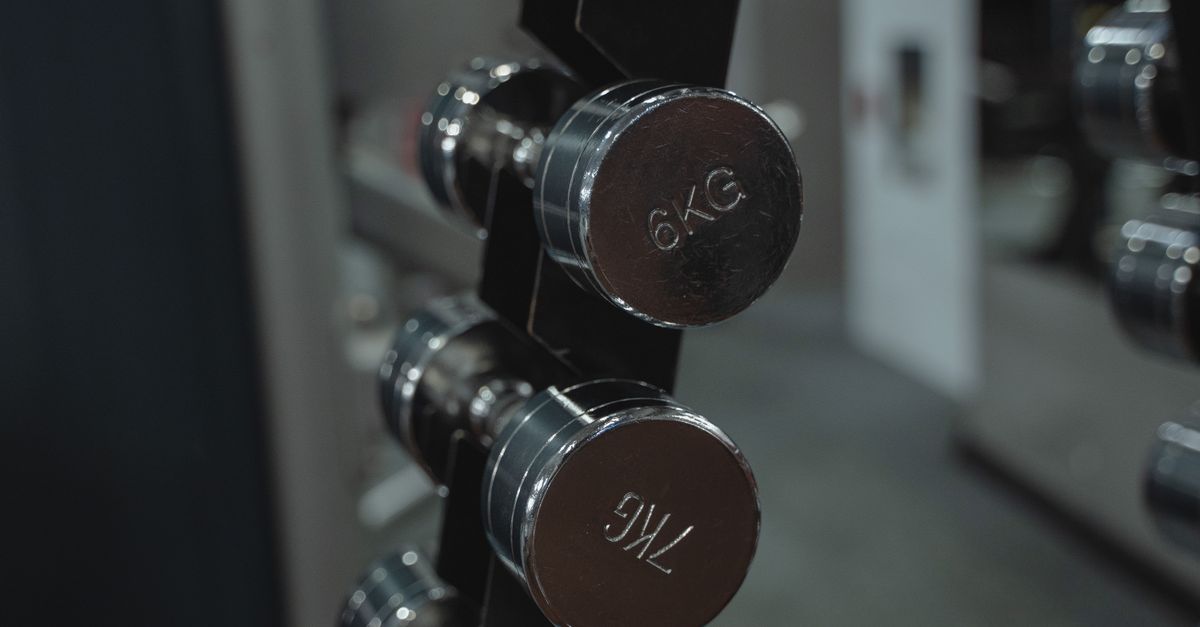
Building Strength and Endurance: Age-Appropriate Training for Teens
Table Of Contents
Nutrition for Young Athletes
Young athletes require a balanced diet tailored to their specific needs. Nutrients play a crucial role in supporting growth, development, and overall performance. A focus on whole foods, including fruits, vegetables, lean proteins, whole grains, and healthy fats, helps provide the energy necessary for training and recovery. Staying hydrated is equally important, as dehydration can impair both physical and cognitive function, thus impacting training outcomes.
Adequate caloric intake is vital for active teens to fuel their workouts and daily activities. It's essential to educate young athletes about the importance of portion sizes and timing of meals and snacks. Consuming a combination of carbohydrates and proteins post-exercise aids in muscle repair and replenishes glycogen stores. Encouraging a diverse and nutrient-rich diet will instil healthy habits that benefit athletes both on and off the field.
Fueling the Body for Optimal Performance
Nutrition plays a critical role in helping young athletes achieve peak performance. A balanced diet rich in carbohydrates, proteins, and healthy fats provides the energy needed for training and recovery. Fresh fruits and vegetables contribute essential vitamins and minerals that support overall health and enhance athletic capability. Hydration is equally vital; it aids in maintaining energy levels, optimising muscle function, and preventing fatigue. Encouraging teens to adopt healthy eating habits early on lays the foundation for lifelong wellness.
Meal timing also affects performance. Eating a nutritious meal or snack about two to three hours before exercise can help maximise energy levels during workouts. A combination of complex carbohydrates, such as whole grains, and lean proteins is ideal. After training, a protein-rich snack can facilitate muscle recovery and growth. Establishing these nutritional patterns ensures that young athletes not only improve their current performance but also build a healthy relationship with food that supports their athletic aspirations.
Safety Measures in Teen Training
Teen training programmes must prioritise safety to ensure an environment conducive to growth and learning. Educators and coaches should familiarise themselves with the physical capacities of each teen athlete. Regular assessments can help determine appropriate activity levels and minimise the risk of overexertion. Proper warm-up and cool-down routines are essential. They prepare the body for physical activity and aid recovery after workouts.
Communication plays a pivotal role in safety during training. Encouraging teens to voice concerns about their workout regimes fosters an atmosphere of trust. It is essential for teens to understand the importance of listening to their bodies. If they experience pain or discomfort, they should be encouraged to speak up. Implementing safety protocols, such as using proper equipment and maintaining adequate supervision, contributes significantly to reducing injury risks.
Preventing Injuries During Workouts
Incorporating proper warm-up and cool-down routines is essential for minimising the risk of injuries during workouts. Teens should engage in dynamic stretches and light aerobic activities to increase blood flow to muscles before exercising. This preparation not only enhances performance but also helps in reducing muscle stiffness. Post-workout cool-down sessions that include static stretching can aid in muscle recovery and flexibility, further decreasing the likelihood of injuries.
Supervision and guidance are crucial, especially for those new to physical training. Coaches or experienced trainers can help ensure that teens use correct techniques and appropriate equipment while exercising. Educating young athletes about their body's signals is vital, as it encourages them to recognise when to rest or modify their activities. Gradual progression in intensity and duration of workouts can also help safely build strength and endurance, lowering the chance of overuse injuries.
Setting Realistic Goals
Establishing clear and attainable objectives can enhance a teen’s training experience. These goals should align with their individual abilities and interests while being challenging yet achievable. Success is often measured in incremental progress rather than reaching lofty aspirations all at once. This approach fosters a sense of accomplishment, motivating young athletes to maintain consistency.
Involving teens in the goal-setting process empowers them to take ownership of their training. Encourage discussions about short-term and long-term aims, allowing them to express what they want to achieve. Additionally, ensuring these goals are specific and measurable will help track progress over time. This method not only builds confidence but also reinforces the importance of dedication and perseverance in their athletic journey.
Creating a Balanced Training Plan for Teens
Developing a balanced training plan for teens requires understanding their unique needs and capabilities. It is crucial to incorporate a mix of strength training, endurance exercises, and flexibility workouts to promote overall fitness. Each session should not only focus on physical conditioning but also consider time for skill development in their chosen sport. Ensuring variety keeps workouts engaging while helping avoid plateaus in progress.
Additionally, young athletes should have a structured weekly schedule that allows for adequate recovery. Rest days are just as important as workout days, as they help prevent overtraining and reduce the risk of injuries. Engaging in cross-training can also provide holistic benefits, developing different muscle groups and enhancing cardiovascular health. It fosters a mindset that values both physical development and enjoyment of the activity, essential for long-term participation in sports.
FAQS
What is the best way to fuel a teen athlete's body for optimal performance?
A teen athlete should focus on a balanced diet rich in carbohydrates, proteins, healthy fats, and plenty of fruits and vegetables. Hydration is also crucial, so drinking enough water throughout the day is essential.
How can I ensure my teen trains safely and effectively?
To train safely, it’s important to start with a proper warm-up, use appropriate equipment, and focus on correct form. Additionally, incorporating rest days and listening to their body can help prevent injuries.
What are some common injuries that teens might face during training?
Common injuries among teens include sprains, strains, shin splints, and growth plate injuries. It’s important to be aware of these risks and to take preventative measures.
How can teens set realistic training goals?
Teens should consider their current fitness level, available time for training, and their personal interests when setting goals. It’s beneficial to set short-term, achievable goals that can lead to longer-term aspirations.
What does a balanced training plan for teens look like?
A balanced training plan for teens should include a mix of strength training, cardiovascular exercises, flexibility work, and skill development for their specific sport. It’s important to ensure that the plan accommodates rest and recovery periods.
Related Links
How Newcastle Gyms Are Tailoring Fitness Programs for KidsThe Importance of Physical Activity for Teens in Newcastle
Introducing Martial Arts: A Unique Twist in Newcastle's Youth Fitness Scene
Outdoor Adventure Programs for Teens: Exploring Fitness Beyond the Gym
The Role of Dance Classes in Developing Kids’ Fitness Habits
Fun Fitness Challenges for Kids: Encouraging Healthy Competition