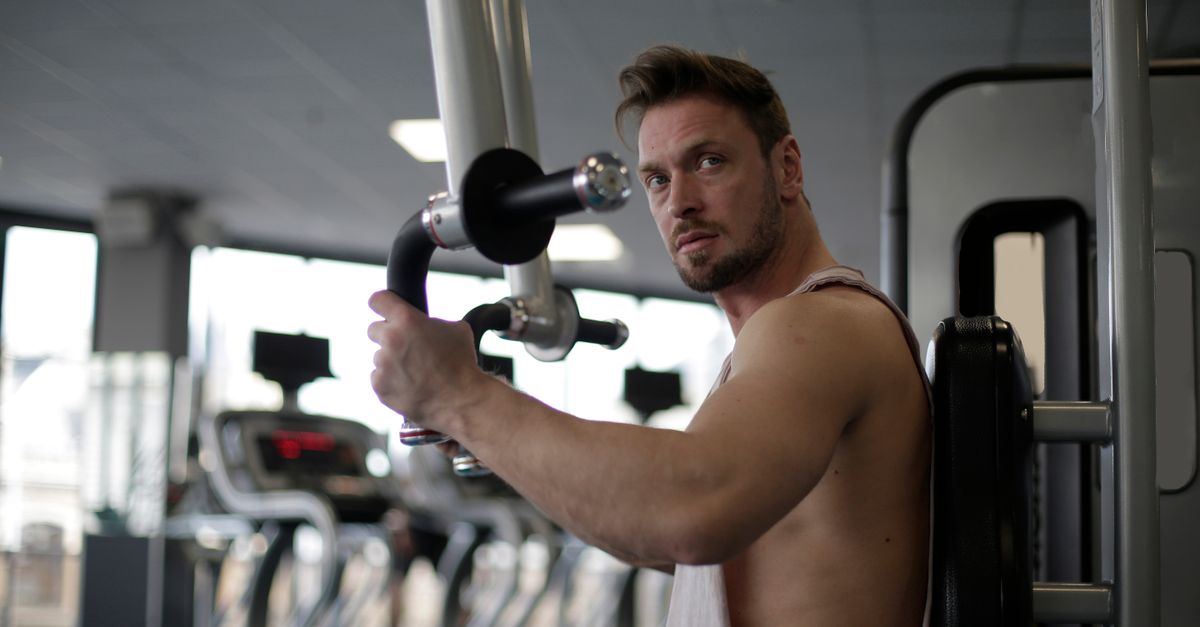
HIIT for Busy Lives: Efficient Workouts in Newcastle Gyms
Table Of Contents
Essential Gear for HIIT Workouts
Having the right gear can make a significant difference in the effectiveness and enjoyment of HIIT workouts. A good pair of training shoes is essential for providing support and cushioning during high-impact movements. Opt for shoes that offer stability and grip, as this will help prevent injuries. Additionally, moisture-wicking clothing keeps you comfortable during intense sessions. Lightweight, breathable fabrics will allow for better ventilation and enhance your overall performance.
Accessories can also play a pivotal role in your training. A reliable water bottle is crucial for staying hydrated, particularly during intense intervals. Keep a towel handy to wipe away sweat and maintain grip on equipment. Many find that fitness trackers are beneficial for monitoring heart rate and tracking progress over time. This combination of footwear, clothing, and accessories creates a supportive environment, enabling you to focus entirely on your workout.
What to Bring to the Gym
Packing the right gear is essential for maximizing your HIIT experience. Start with a sturdy gym bag to keep everything organised. Comfortable workout clothing that allows for easy movement is crucial. Opt for moisture-wicking fabrics to stay dry during intense sessions. A good pair of supportive training shoes can vastly improve performance while reducing the risk of injury. Remember to include a reusable water bottle to stay hydrated throughout your workout.
Consider bringing a towel as well for those high-intensity sessions where you may work up a sweat. If you prefer to track your performance, a smartwatch or fitness tracker can provide valuable insights. Lastly, don’t forget your personal items such as headphones, if you enjoy music while exercising. Having these essentials on hand will help you focus on your workout without unnecessary distractions.
Nutrition Tips for HIIT Enthusiasts
Proper nutrition is vital for anyone engaging in high-intensity interval training. Prioritising whole foods can significantly enhance performance and recovery. Incorporating a balance of carbohydrates, proteins, and healthy fats fuels energy levels and aids in muscle repair. Easy-to-digest snacks like bananas or energy bars work well before a workout, enabling you to sustain high levels of intensity during each session.
Post-workout nutrition plays a crucial role in recovery and muscle building. Consuming a meal rich in protein within 30 minutes of finishing your HIIT session promotes muscle repair and growth. Mixing lean proteins with complex carbohydrates, such as chicken and quinoa or a protein smoothie with spinach and oats, supports overall recovery. Staying hydrated is equally important, so ensure adequate water intake throughout the day to optimise performance and prevent fatigue.
Fueling Your Body for Maximum Performance
Eating the right foods plays a crucial role in enhancing performance during high-intensity interval training. Opt for a balanced diet that prioritises whole foods, including lean proteins, complex carbohydrates, and healthy fats. Proteins help repair and build muscle tissues, while carbohydrates provide the energy needed to sustain intense workouts. Incorporating a variety of fruits and vegetables ensures that you receive essential vitamins and minerals, which support overall health and recovery.
Timing of meals also significantly impacts workout efficiency. It’s beneficial to consume a small meal or snack containing carbohydrates and protein about 30 to 60 minutes before exercising. Post-workout, replenish energy levels with a combination of protein and carbs to aid in recovery. This balance not only optimises performance but also promotes better results from your HIIT sessions, making each workout count.
Tracking Progress and Staying Motivated
Monitoring your progress is a vital aspect of any HIIT regimen. Regularly recording your workouts helps you see improvements in strength, endurance, and overall performance. Whether through a fitness app or a simple journal, tracking metrics such as the number of reps completed, time taken for circuits, or weights lifted provides tangible evidence of your hard work. This data allows you to identify patterns, make necessary adjustments, and remain focused on your fitness journey.
Maintaining motivation can be challenging, especially in a busy lifestyle. Setting achievable and specific goals is crucial. Break larger objectives into smaller milestones to celebrate along the way. Consider joining a group or finding a workout buddy to create a sense of accountability. Regularly refreshing your routine with new exercises or changing the intensity keeps things exciting and engaging. Finding enjoyment in each workout will contribute to a more sustainable commitment to your HIIT journey.
Setting Realistic Goals
Establishing achievable targets is crucial for anyone looking to incorporate HIIT into their busy schedule. Begin by evaluating your current fitness level and considering how much time you can realistically dedicate to your workouts each week. Setting small, measurable milestones can provide a sense of accomplishment and help you maintain motivation over time.
Additionally, the importance of flexibility in your goals cannot be overstated. Life can be unpredictable, and various factors may impact your routine. Be prepared to reassess your targets and adjust them according to your progress and any challenges that arise. This adaptable approach helps to keep your fitness journey engaging while promoting overall well-being.
FAQS
What is HIIT and why is it effective for busy people?
HIIT, or High-Intensity Interval Training, involves short bursts of intense exercise followed by brief recovery periods. It’s effective for busy people because it maximises workout efficiency, allowing for significant calorie burn and fitness improvements in a shorter time frame.
What essential gear do I need for HIIT workouts?
For HIIT workouts, you’ll need comfortable athletic clothing, supportive footwear, a water bottle to stay hydrated, and a towel. Optional gear includes resistance bands or weights to add variety and intensity to your routines.
How should I fuel my body before a HIIT workout?
It’s best to eat a balanced meal or snack that includes carbohydrates and protein about 1-2 hours before your workout. Foods like a banana with peanut butter or a smoothie with protein powder can provide the necessary energy without weighing you down.
How can I track my progress in HIIT workouts?
You can track your progress by keeping a workout log, noting the exercises, duration, and intensity levels. Additionally, measuring improvements in your fitness, such as increased endurance or strength, can help you stay motivated.
What are some tips for staying motivated with HIIT workouts?
Setting realistic, achievable goals, finding a workout buddy, and varying your routines can help keep your motivation levels high. Also, tracking your progress and celebrating small victories along the way can make a significant difference.
Related Links
Advanced HIIT Techniques for Experienced Trainers in NewcastleThe Benefits of Group HIIT Training in Newcastle Fitness Environments
The Science Behind HIIT: Why It Works for Newcastle Gym Goers
Combining Strength and HIIT: A New Approach in Newcastle Gyms
Exploring the Best HIIT Classes Available in Newcastle Gyms
How HIIT Can Boost Your Endurance in Newcastle's Fitness Scene