How Functional Training Areas Enhance Performance at Local Gyms
Table Of Contents
The Role of Coaches in Functional Training Areas
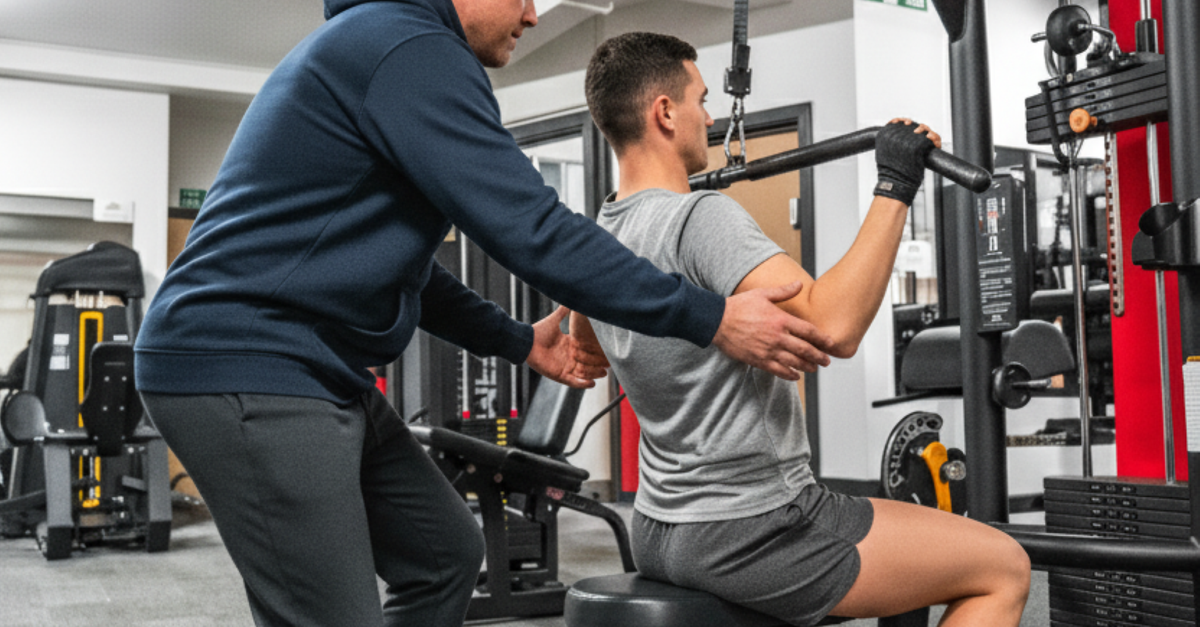
In functional training areas, coaches play a vital role in helping individuals reach their fitness goals. They provide tailored guidance that addresses the unique needs of each participant, ensuring that exercises align with their specific abilities and aspirations. Coaches also create a supportive environment, which fosters motivation and encourages members to push beyond their limits. This personalised attention can significantly enhance the effectiveness of each workout session.
Moreover, coaches use their expertise to introduce various functional training techniques that emphasise proper mechanics and form. This not only helps in preventing injuries but also optimises performance by allowing individuals to train in a way that translates to real-life movements. With their understanding of biomechanics and fitness principles, coaches can modify workouts to maintain engagement and challenge members, ultimately leading to long-term success in their fitness journeys.
Guidance and Support for Optimal Results
Coaches play a crucial role in maximising the effectiveness of functional training areas. Their expertise allows them to design tailored programmes that meet the specific needs of each participant. By providing demonstrations and instruction on proper form, coaches help reduce the risk of injury, ensuring that individuals can perform exercises safely. They also motivate gym-goers to push past their limits, creating an encouraging environment where progress can thrive.
Support extends beyond just physical guidance. Coaches often assess individual goals and capabilities, adjusting programmes as needed to keep clients engaged and challenged. Regular check-ins can reinforce accountability and foster a sense of community. This personalised attention ensures members feel valued and supported on their fitness journey, which can significantly enhance overall performance in functional training.
Assessing Performance Improvement Through Functional Training
Measuring performance improvement through functional training involves various methods and metrics that provide valuable insights. Trainers often use baseline assessments to establish a starting point for individuals. These assessments can include strength tests, endurance activities, and mobility evaluations. Regular re-assessment allows both trainers and participants to monitor progress. Incremental changes in performance metrics can indicate the effectiveness of the training regimen.
Another popular method for tracking improvement is the use of performance logs or fitness apps. These tools help users document their workouts, record personal bests, and note changes in strength and endurance over time. Participants can also engage in benchmark exercises periodically, such as timed runs or maximum lifts, to gauge their advancements. By putting these systems in place, individuals can maintain motivation while developing a clear picture of their overall performance enhancement.
Metrics to Track Progress Over Time
Tracking progress in functional training requires specific metrics that allow athletes and fitness enthusiasts to measure their improvements effectively. Strength, endurance, and flexibility are key components that can be quantified through various methods. For instance, regular assessments of lifting capacity, time taken for cardiovascular drills, and flexibility tests help identify areas of growth. Recording these metrics creates a tangible benchmark, motivating individuals to continue pushing their limits.
Another valuable aspect of progress measurement is the use of technology, including fitness apps and wearable devices. These tools provide real-time data regarding heart rate, calorie expenditure, and overall workout performance. By analysing trends over time, individuals can adjust their training regimens to enhance efficiency and effectiveness. Incorporating qualitative feedback from coaches can also provide insight into performance improvements that may not be immediately visible through numbers alone.
Common Myths About Functional Training
A prevalent misconception surrounding functional training is that it is only suited for elite athletes or those engaged in competitive sports. Many believe that this type of training does not apply to the average gym-goer. In reality, functional training is designed to improve everyday movement patterns and enhance overall physical capability, making it beneficial for individuals at all fitness levels, including those just starting their fitness journeys.
Another myth is that functional training lacks structure and is merely a collection of random exercises. While it may seem less regimented compared to traditional weightlifting, functional training follows specific principles aimed at enhancing core stability, strength, and mobility. Instructors often design programmes that target specific functional movements to support both athletic performance and daily activities, ensuring a cohesive approach to fitness.
Debunking Misconceptions for Better Awareness
Many individuals have misconceptions about functional training, believing it to be exclusively for athletes or those with advanced fitness levels. In reality, functional training is designed to improve day-to-day activities for everyone. It focuses on building strength, flexibility, and coordination through movements that mimic everyday tasks, making it beneficial for individuals of all ages and fitness backgrounds.
Another common belief suggests that functional training requires specialised equipment and gym facilities. While certain tools may enhance the experience, functional training can be performed using bodyweight exercises and common gym devices. This accessibility allows more people to engage in functional training without the need for expensive memberships or specialised training spaces. The simplicity and versatility of this approach enable it to be integrated into various workout routines.
FAQS
What is functional training?
Functional training refers to exercises that mimic everyday activities, focusing on improving strength, balance, coordination, and endurance to enhance overall physical performance.
How do functional training areas differ from traditional gym spaces?
Functional training areas are specifically designed to support dynamic movements and provide access to equipment like kettlebells, medicine balls, and suspension trainers, which facilitate a more holistic approach to fitness compared to traditional weightlifting setups.
Can beginners benefit from functional training?
Absolutely! Functional training is suitable for all fitness levels, including beginners, as exercises can be modified to match individual capabilities and gradually increase in intensity as strength and confidence grow.
How can I track my progress in functional training?
You can track your progress by using various metrics such as the number of repetitions, the amount of weight lifted, time taken to complete workouts, and overall improvements in functional movements, which can be monitored over time.
What are some common misconceptions about functional training?
Some common myths include the belief that functional training is only for athletes or that it doesn't build muscle. In reality, functional training can benefit anyone looking to improve their physical performance and can certainly contribute to muscle growth.
Related Links
Popular Functional Training Equipment Found in Newcastle GymsDesigning Effective Functional Training Spaces for Newcastle Fitness
Combining Functional Training with Traditional Workouts for Balanced Fitness
Exploring Outdoor Functional Training Spaces in Newcastle's Gyms
Top Functional Training Classes Offered in Newcastle Gyms
Community Engagement through Functional Training Areas in Newcastle
Functional Training: A New Approach to Strength and Conditioning in Newcastle
The Benefits of Integrating Functional Training into Your Gym Routine
The Rise of Functional Training Areas in Newcastle Gyms